
Activity & Guidelines
On this page
Why Recovery Is Part of Training
Wayfit Editorial·
The workout is the stressor. The adaptation is what happens afterward.
This is one of the more important things to understand about exercise, because it changes what "training hard" actually means. The session in the gym creates the conditions for improvement. Recovery is when that improvement actually occurs.
Most people understand this in principle and ignore it in practice.
What happens during and after exercise
When you exercise, you create microscopic damage in muscle fibers, deplete energy stores, and generate a cascade of stress signals in your body. This sounds alarming, but it's the point. These disruptions trigger adaptation: the body repairs and rebuilds slightly stronger than before, replenishes energy stores, and makes physiological adjustments designed to handle similar stress more efficiently in the future.
That rebuilding happens during rest. Specifically, most of it happens during sleep, when growth hormone secretion peaks and protein synthesis runs at higher rates.
If you train before the adaptation from the previous session is complete, you're adding new stress on top of incomplete recovery. In the short term, this produces diminishing returns. Over time, it produces overtraining: a state of chronic fatigue where performance declines, injury risk rises, and the ability to adapt to training is compromised.
What overtraining actually looks like
Overtraining doesn't announce itself clearly. The early signs are easy to dismiss as normal fatigue.
Persistent tiredness that doesn't resolve after a rest day is a common early marker. So is declining performance: weights that felt manageable last week feel harder this week, or you're slower on runs that used to be comfortable. Elevated resting heart rate, disrupted sleep, irritability, and increased susceptibility to illness are also associated with accumulated under-recovery.
Most people who reach overtraining states didn't get there by working out six hours a day. They got there by training hard enough to accumulate fatigue and resting just barely not enough to clear it, consistently, over weeks.
The fix is simple in principle: more recovery. In practice, people find this difficult because rest feels like lost progress.
Recovery isn't doing nothing
Active recovery, which involves low-intensity movement rather than complete rest, is often more effective than total inactivity at clearing fatigue and maintaining blood flow to recovering muscles.
Walking, easy cycling, gentle swimming, and similar low-effort activities facilitate circulation and reduce muscle soreness without adding meaningful training stress. A day labeled as "rest" can still include a 30-minute easy walk without disrupting recovery. The key is keeping intensity low enough that you're not adding significant physiological stress.
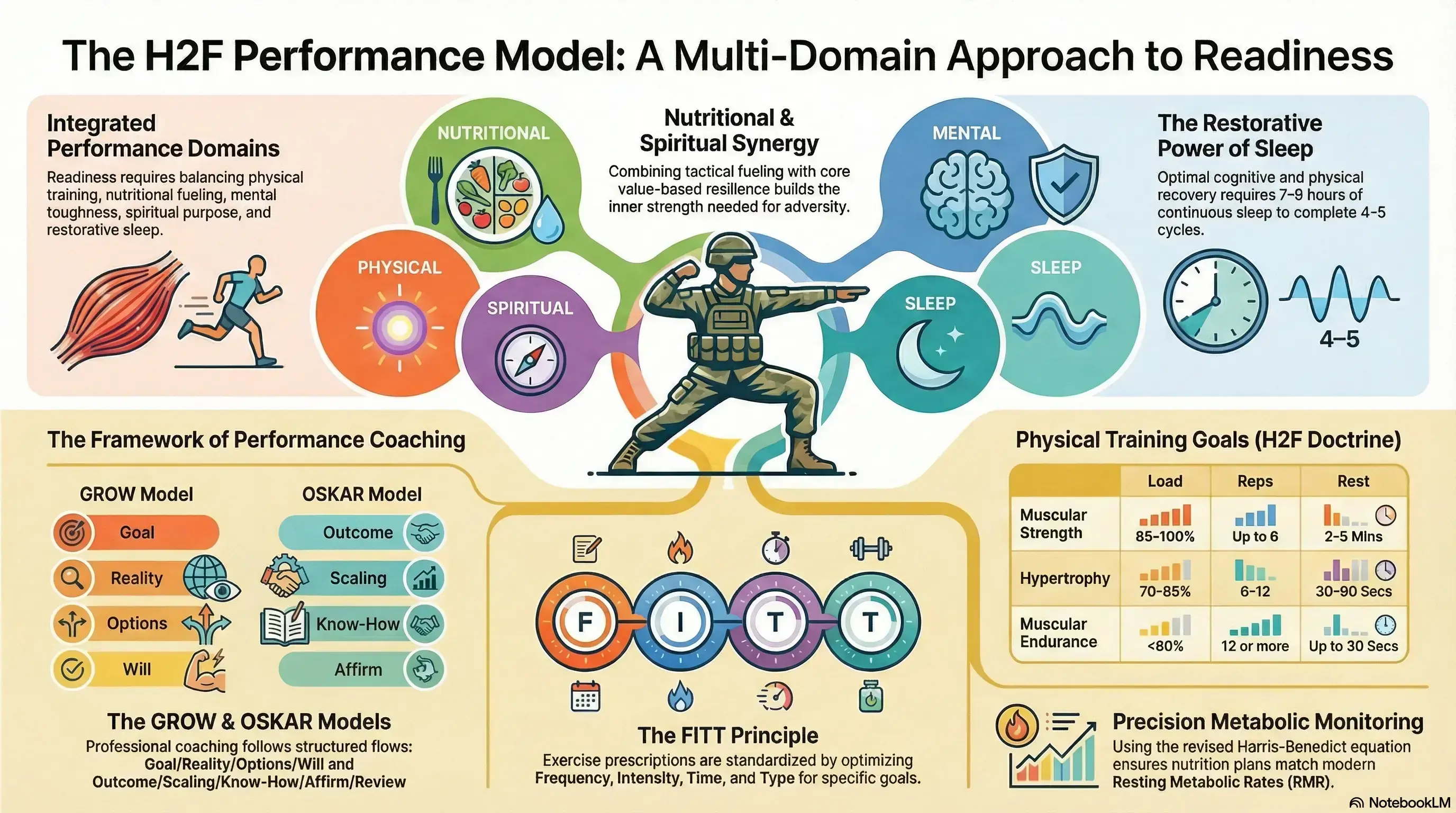
Sleep is the most powerful recovery tool available. Research consistently shows that sleep deprivation impairs muscle protein synthesis, elevates cortisol (a stress hormone that promotes muscle breakdown), increases perceived effort during exercise, and reduces the accuracy and decision-making speed that affects both athletic performance and daily function. Getting less than seven hours consistently undermines the adaptation that training is supposed to produce.
Nutrition after exercise also matters for recovery. Protein consumed within several hours of a session provides the amino acids needed for muscle repair. Carbohydrates replenish glycogen stores. Adequate hydration restores fluid balance. These aren't complicated interventions, but they are necessary ones.
The minimum effective dose idea
One of the more useful concepts in training design is the idea of the minimum effective dose: the smallest training stimulus that produces the desired adaptation.
More is not always better. Beyond a certain volume, additional training produces marginal adaptation at increasing recovery cost. For someone training for general health rather than competitive performance, the most important variables are consistency and adequate recovery, not volume or intensity.
Two to three strength training sessions per week, each followed by at least 48 hours before training the same muscle group again, is a well-supported structure for most adults. Adding cardio between sessions, particularly lower-intensity work, doesn't prevent recovery from strength training. High-intensity cardio on top of heavy lifting does.
The structure should allow you to show up to each session ready to perform, not depleted from the last one.
Building a recovery practice
You don't need a complicated protocol. But a few consistent practices make a meaningful difference.
Prioritizing sleep is the most impactful single change most people can make. Seven to nine hours gives the body the time it needs to run the repair processes that exercise triggers.
Planning rest days intentionally rather than taking them when you collapse. For most people training four to five days per week, two rest days or active recovery days are appropriate.
Managing stress outside of exercise. Training stress and life stress are additive. A week of high work pressure, poor sleep, and alcohol at the end of the day places the same physiological burden as more training. Recovery capacity is finite.
Eating enough to support the training you're doing. Chronic under-eating, which is common in people focused on fat loss, extends recovery time and impairs adaptation.
The goal is to train consistently for months and years, not to do as much as possible in any given week. Recovery is what makes that possible.
Related articles
- What Zone 2 Training Is and Why It Works — Low-intensity training that aids recovery while building fitness.
- How to Structure a Week of Exercise — Designing rest days into a training schedule.
- Why Poor Sleep Makes You Hungrier — How sleep deprivation affects recovery and appetite.
This page is for education only and is not medical advice. If you have a medical condition or specific concerns, talk with a qualified healthcare professional.