
Nutrition
On this page
Nutrition Basics
This information is for educational purposes only and does not constitute medical advice. Consult a qualified healthcare provider before making lifestyle changes.
Nutrition Basics
Understanding proper nutrition is important for maintaining health, supporting physical activity, and achieving fitness goals.
Macronutrients
The three macronutrients provide energy and support bodily functions:
Protein
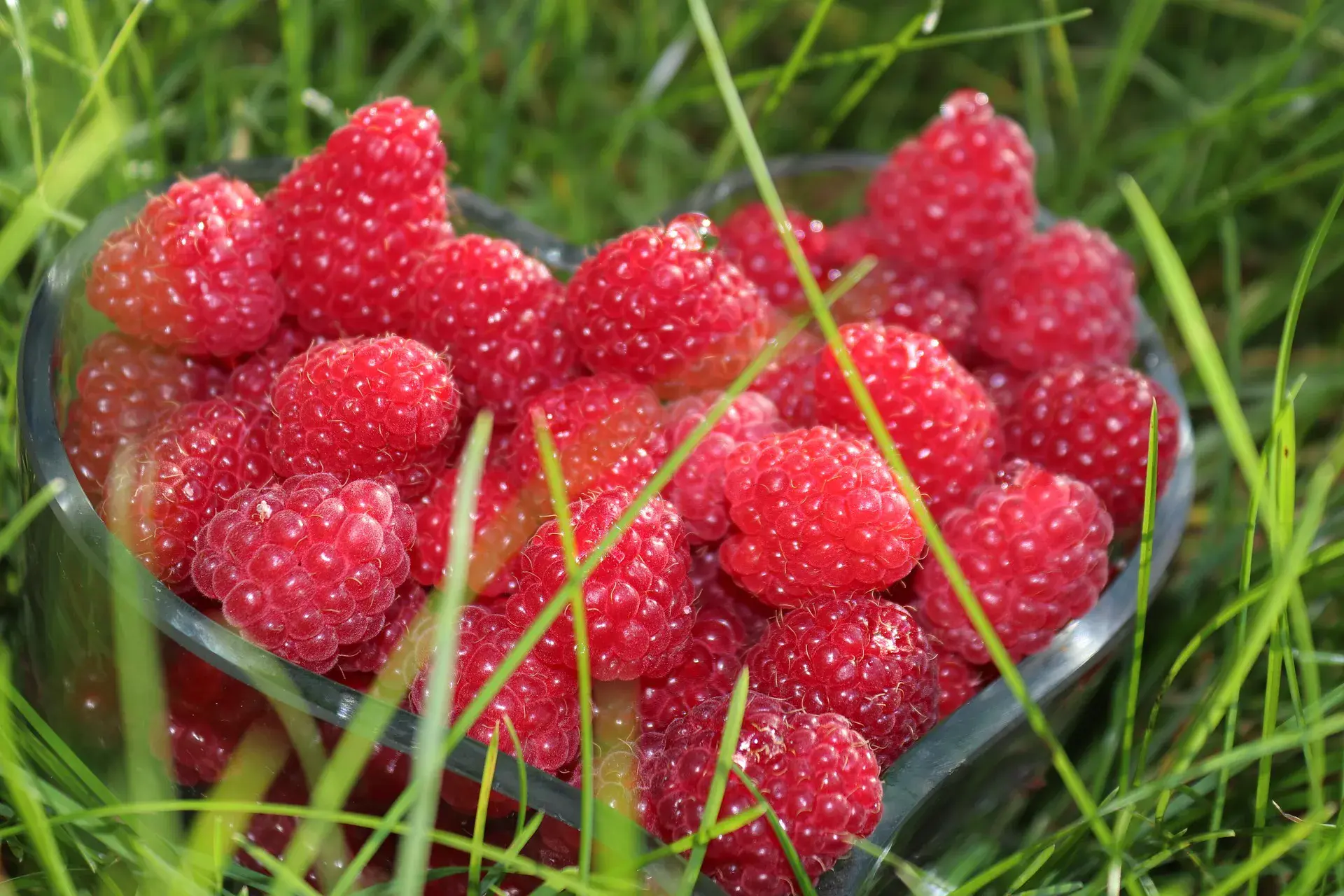
Protein helps build and repair tissues, supports immune function, and helps preserve muscle mass.
- Sources: Meat, fish, eggs, dairy, legumes, tofu, tempeh
- Recommended intake: 0.8-1.6g per kg bodyweight depending on activity level
- Calories: 4 calories per gram
Carbohydrates
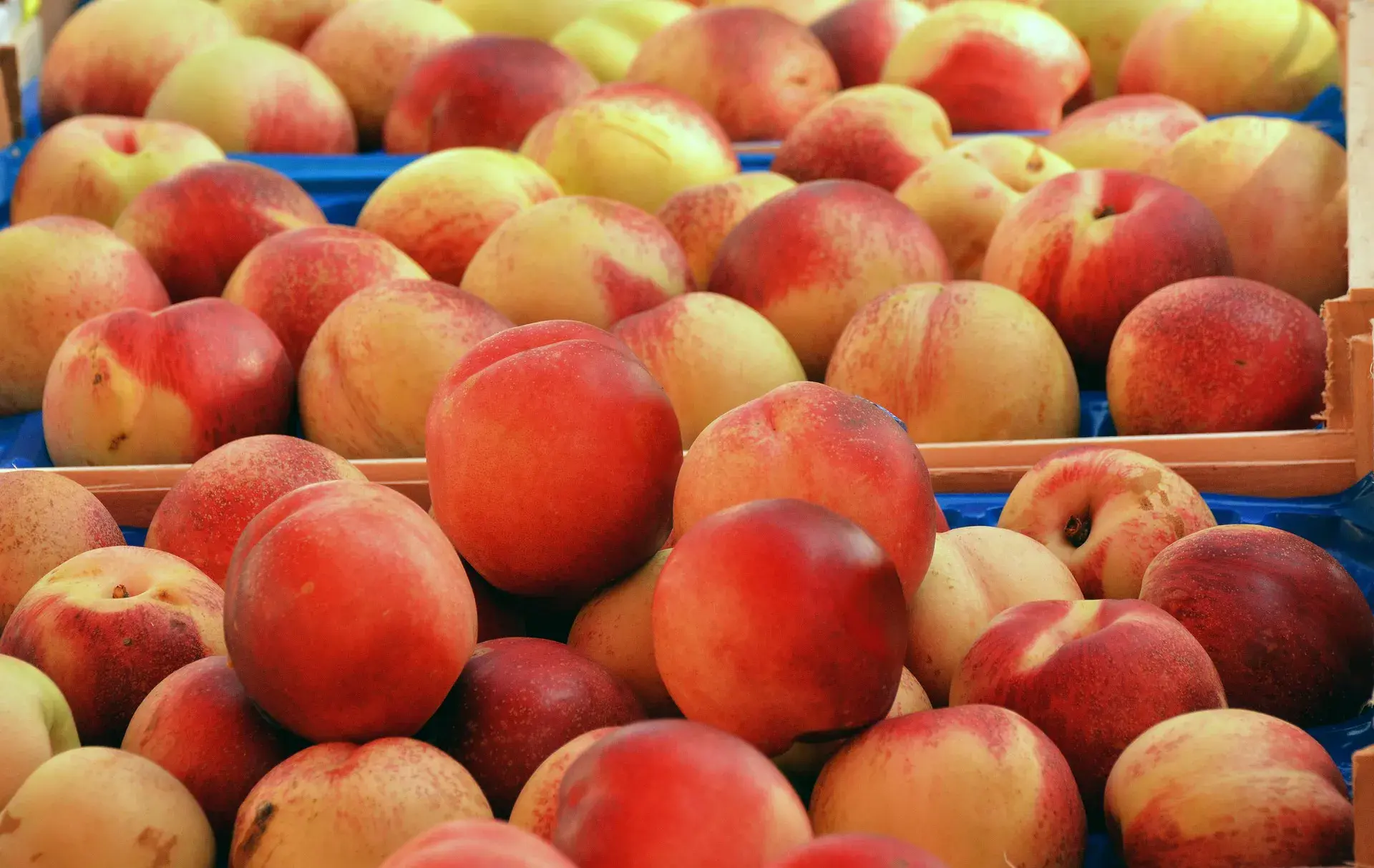
Carbohydrates are generally the body's primary energy source, especially important for high-intensity exercise and brain function.
- Sources: Whole grains, fruits, vegetables, legumes
- Focus on: Complex carbs and fiber-rich foods
- Calories: 4 calories per gram
Fats
Dietary fats help support hormone production, nutrient absorption, and provide sustained energy.
- Sources: Nuts, seeds, avocados, olive oil, fatty fish
- Focus on: Unsaturated fats, omega-3 fatty acids
- Limit: Trans fats and excessive saturated fats
- Calories: 9 calories per gram
Micronutrients
Vitamins and minerals support countless bodily functions. A varied diet rich in fruits, vegetables, whole grains, and lean proteins typically provides adequate micronutrients.
Key Vitamins
- Vitamin D: Bone health, immune function (sunlight, fortified foods, fatty fish)
- B Vitamins: Energy metabolism (whole grains, meat, leafy greens)
- Vitamin C: Immune function, collagen production (citrus, berries, peppers)
Essential Minerals
- Iron: Oxygen transport (red meat, leafy greens, legumes)
- Calcium: Bone health (dairy, fortified foods, leafy greens)
- Magnesium: Muscle and nerve function (nuts, seeds, whole grains)
Hydration
Water is essential for every bodily function. Needs vary based on size, activity, and climate.
- General guideline: 0.5-1 oz per pound of bodyweight
- Increase for: Exercise, heat, altitude
- Signs of dehydration: Dark urine, thirst, fatigue, headache
Meal Timing
While total daily intake matters most, meal timing can support specific goals:
- Pre-workout: Carbs for energy (1-3 hours before)
- Post-workout: Protein and carbs for recovery (within 2 hours)
- Regular meals: Helps maintain stable energy and blood sugar
Dietary Patterns
Several eating patterns support health when implemented properly:
- Mediterranean: Emphasizes whole grains, vegetables, olive oil, fish
- DASH: Designed for blood pressure management
- Plant-based: Focuses on whole plant foods
- Balanced approach: Includes variety from all food groups
Practical Tips
- Eat whole foods: Minimize processed foods when possible
- Include vegetables: Aim for variety and color
- Plan ahead: Meal prep reduces reliance on convenience foods
- Read labels: Understand serving sizes and ingredients
- Practice moderation: No foods are strictly off-limits in a balanced diet
- Listen to hunger: Eat when hungry, stop when satisfied
Common Mistakes
- Eliminating entire food groups unnecessarily
- Over-restricting calories
- Focusing on supplements over food
- Following extreme or unsustainable diets
- Ignoring individual needs and preferences
When to Seek Professional Guidance
Consider consulting a registered dietitian for:
- Specific health conditions
- Athletic performance optimization
- Eating disorder concerns
- Persistent digestive issues
- Pregnancy and breastfeeding
Related articles
- How Protein Keeps You Full — Why protein is the most satiating macronutrient.
- Why Fiber Matters and How to Get Enough — The other essential component of a balanced diet.
- Portion Control Without a Scale — Practical portion estimation using your hand.
- The Calories You're Probably Drinking — Liquid calories that sneak into your diet.
References
- USDA Dietary Guidelines for Americans
- Academy of Nutrition and Dietetics
- NIH Office of Dietary Supplements
- American Heart Association dietary recommendations