
Nutrition
On this page
The Calories You're Probably Drinking
Wayfit Editorial·
You can eat 400 calories and feel noticeably fuller than before. You can drink 400 calories and feel more or less the same as you did before you started.
That's the core problem with liquid calories, and it's not psychological or a matter of discipline. It's how your digestive system is built.
Why drinks don't fill you up
Liquids move through the stomach faster than solid food and trigger fewer of the hormonal signals that tell your brain you've eaten. The stretch receptors in your stomach, which register physical fullness, activate less with liquid than with solid food. The satiety hormones that respond to solid food, including cholecystokinin and peptide YY, respond more weakly to liquid intake.
Research has documented this effect consistently. Barbara Rolls and colleagues at Penn State found that people who drank calories before or during meals did not meaningfully reduce how much they ate, while people who ate the same number of calories in solid form ate less at the meal. Your body does not deduct liquid calories from your hunger the way it does with food. You drink them, and then you eat approximately the same amount you would have anyway.
This is why liquid calories are particularly easy to overlook when you're trying to manage your intake. They don't feel like eating. They don't produce the same sense of having had something. But they count.
The obvious offenders
Soda is the most straightforward example. A 20-ounce bottle is around 240 calories with no nutritional benefit and very little effect on hunger. Drinking one alongside a meal adds those calories without reducing how much you eat at the meal.
Juice is more complicated because it carries a health halo, but the calories are real. An eight-ounce glass of orange juice has around 110 calories. The fiber that would slow down absorption and contribute to fullness has been removed in juicing, so the sugar hits the bloodstream faster than it would from eating the fruit. You'd feel more satisfied eating two oranges than drinking a glass of their juice, despite similar calorie counts.
Sweet coffee drinks from cafes can range from 200 to 500 calories depending on size and what's in them. A large blended drink with whipped cream often has as many calories as a full meal while functioning nothing like one in terms of satiety.
The less obvious ones
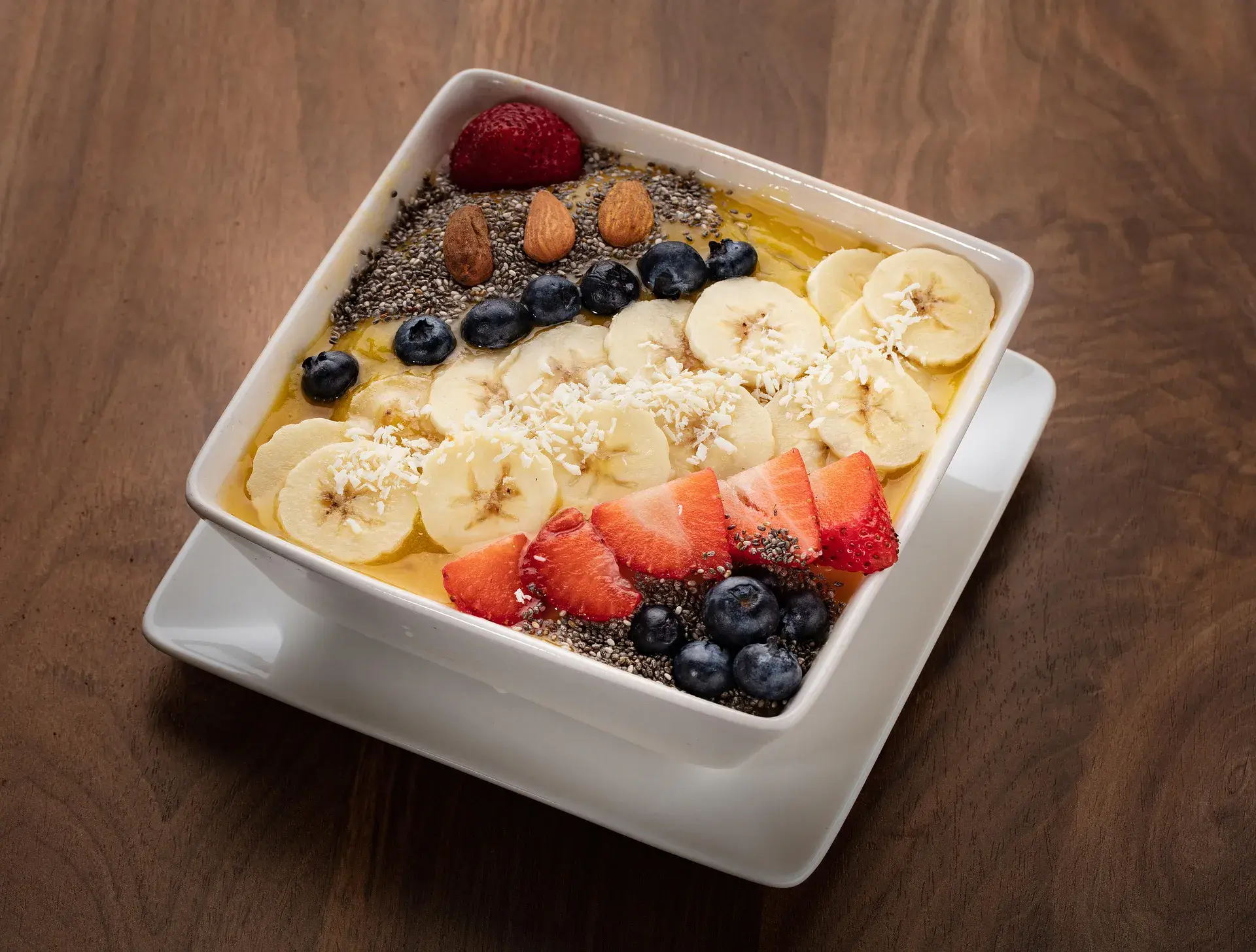
Commercial smoothies can run 400 to 600 calories depending on what's in them, particularly if they're store-bought or include fruit juices, protein powders, nut butters, and honey together. A smoothie can be a nutritious and filling meal, but it can also be an easy way to take in far more than intended while feeling like you're being healthy.
Sports drinks have 100 to 200 calories per bottle, appropriate after a hard two-hour training session and unnecessary after a 30-minute walk. They were designed for athletes doing sustained high-intensity work, not casual activity.
Many drinks marketed as healthy, things labeled "enhanced," "vitamin-enriched," or "naturally flavored," contain 100 to 200 calories that most people don't register as significant. Teas with added sugar, flavored waters with juice, and "light" options that are still caloric all fall into this category.
Alcohol is worth mentioning separately. A glass of wine is 120 to 150 calories. A beer is 150 to 200. These also tend to loosen the restraint that governs eating decisions, which can compound the effect.
What to do about it
None of this requires eliminating drinks you enjoy. The goal is awareness, not restriction for its own sake.
Water is the default that costs nothing in terms of calories or hunger disruption. Black coffee and plain tea are effectively calorie-free and can be consumed freely. These are the easiest swaps to make without feeling like you're giving something up.
For everything else, it helps to count liquid calories the same way you count food calories, because your body will. If you're managing your intake and things seem stalled despite eating well, drinks are often the first place worth checking. They're easy to miss precisely because they don't feel like meals.
The practical shift: make water your default at meals and throughout the day. Treat anything with calories as something to account for, not something that doesn't count.
Related articles
- Nutrition Basics — Foundational nutrition principles.
- Why Fiber Matters and How to Get Enough — How fiber slows digestion and improves satiety.
- Portion Control Without a Scale — Estimating intake without tracking every calorie.
This page is for education only and is not medical advice. If you have a medical condition or specific concerns, talk with a qualified healthcare professional.